Embark on a journey into the world of Japandi interior design, a harmonious blend of Japanese minimalism and Scandinavian simplicity that captivates the senses.
Discover the unique elements that define this style and how it creates a serene and tranquil living space.
Introduction to Japandi Interior
Japandi interior design is a harmonious blend of Japanese minimalism and Scandinavian simplicity, resulting in a modern yet cozy aesthetic. This style focuses on clean lines, natural materials, and a sense of warmth and comfort.
The origin of Japandi style can be traced back to the idea of wabi-sabi in Japanese design, which values imperfection, simplicity, and nature. Scandinavian design, on the other hand, emphasizes functionality, light colors, and a connection to nature. By combining these two philosophies, Japandi interior design creates a unique and balanced look.
Key Characteristics of Japandi Interior
- Minimalism: Japandi interior design features clean and uncluttered spaces, with a focus on essential elements and functionality.
- Natural Materials: Wood, bamboo, stone, and other natural materials are central to Japandi style, adding warmth and texture to the space.
- Neutral Color Palette: Soft, muted tones like whites, grays, and earthy hues dominate the color scheme, creating a calming atmosphere.
- Functional Furniture: Furniture in Japandi interior design is simple yet functional, with a focus on practicality and comfort.
- Hygge Elements: Incorporating hygge, a Danish concept of coziness and contentment, Japandi interiors often include soft textiles, candles, and other cozy elements.
- Connection to Nature: Bringing elements of nature indoors, such as plants and natural light, is essential in Japandi design to create a sense of tranquility and balance.
Color Palette in Japandi Interior
In Japandi interior design, the color palette typically consists of a combination of warm, earthy tones and cool, muted colors. This blend of colors creates a sense of balance and harmony in the space, reflecting the essence of both Japanese and Scandinavian aesthetics.
Neutral Tones and Muted Colors
The use of neutral tones like whites, greys, and beiges in Japandi interiors helps to create a calming and serene atmosphere. These colors provide a clean and minimalist backdrop for the space, allowing the natural materials and textures to stand out.
Additionally, muted colors such as soft blues, greens, and browns are often incorporated to add depth and warmth to the overall color scheme.Overall, the color choices in Japandi interiors work together to evoke a sense of simplicity, tranquility, and sophistication.
By combining the understated elegance of Scandinavian design with the timeless beauty of Japanese aesthetics, the color palette in Japandi style creates a space that feels welcoming and harmonious.
Furniture and Decor Elements

In Japandi interiors, the furniture and decor elements play a crucial role in creating a harmonious blend of Japanese and Scandinavian design aesthetics. The minimalist approach to furniture and decor is key in achieving the balance between these two distinct styles.
Common Furniture Pieces
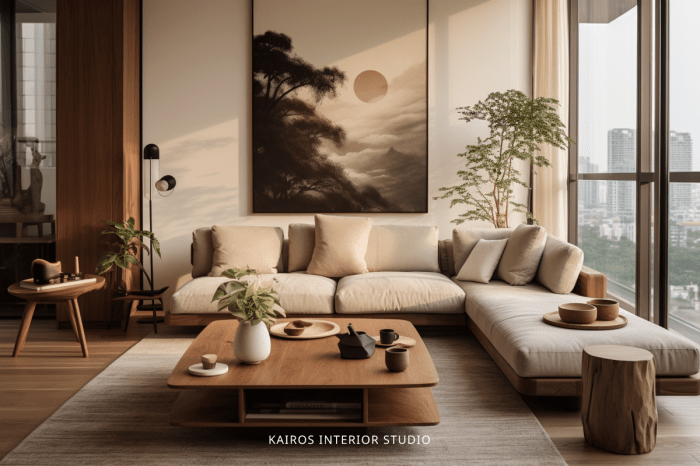
- Low-profile sofas and chairs
- Mixed material coffee tables
- Sliding doors and screens
- Clean-lined storage cabinets
- Floating shelves
Blend of Japanese and Scandinavian Furniture
The combination of Japanese and Scandinavian furniture in Japandi interiors results in a unique aesthetic that focuses on simplicity, functionality, and natural elements. Japanese furniture often features clean lines, minimalism, and a connection to nature, while Scandinavian furniture emphasizes comfort, light colors, and a cozy feel.
The fusion of these two styles brings together the best of both worlds, creating a space that is calming, inviting, and visually appealing.
Importance of Minimalist Decor Elements
- Minimalist decor elements help create a sense of calm and tranquility in the space.
- Clutter-free surfaces and simple accents allow the furniture to stand out and shine.
- Natural materials like wood, bamboo, and linen are often used to add warmth and texture to the interior.
- Neutral color palettes and subtle pops of color enhance the minimalist aesthetic without overwhelming the space.
Materials and Textures
In Japandi interiors, a harmonious blend of materials and textures is key to achieving the minimalist yet cozy aesthetic. Commonly used materials include:
Commonly Used Materials
- Wood: Often light-toned and natural, wood is a staple in Japandi design, adding warmth and a sense of nature indoors.
- Bamboo: Sustainable and versatile, bamboo is used for furniture, flooring, and decor accents, contributing to the eco-friendly aspect of Japandi style.
- Stone: Smooth stones like granite or marble bring a touch of sophistication and earthiness to Japandi spaces, often used in countertops or feature walls.
- Metal: Matte black or brushed metal finishes are incorporated for a modern touch, balancing the organic elements in the space.
Natural Elements in Japandi Design
Natural elements such as wood, bamboo, and stone play a crucial role in creating a serene and tranquil environment in Japandi interiors. These materials bring a sense of connection to nature, promoting a calming atmosphere that encourages relaxation and mindfulness.
Incorporating Textures
Textures like rough wood, smooth stone, and soft textiles are strategically incorporated in Japandi design to add depth and visual interest to the space. Rough wood surfaces add a tactile element, while smooth stones provide a sense of luxury. Soft textiles like wool or cotton bring comfort and coziness to the overall aesthetic, creating a harmonious balance between sleek and tactile elements.
Lighting in Japandi Interior
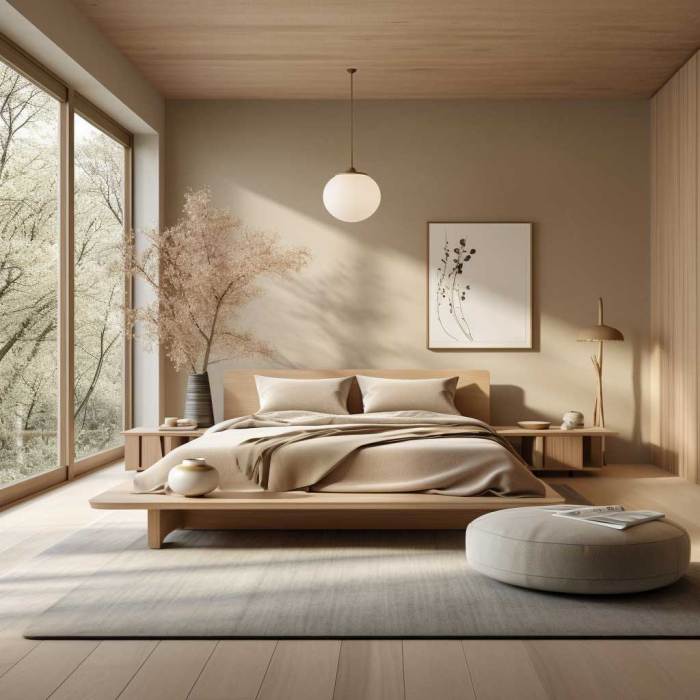
Natural light plays a crucial role in Japandi interior design, as it aligns with the minimalist and nature-inspired principles of this style. The use of natural light not only creates a sense of spaciousness but also brings a calming and serene atmosphere to the space.
Types of Lighting Fixtures in Japandi Design
In Japandi interiors, lighting fixtures are selected based on their simplicity and functionality. The preferred lighting fixtures include pendant lights, floor lamps, and table lamps with clean lines and natural materials like wood and metal. These fixtures complement the overall aesthetic of the space without overpowering it.
Enhancing Ambiance with Lighting in Japandi Interiors
Lighting is used strategically in Japandi interiors to enhance the ambiance and create a cozy atmosphere. Soft, warm lighting is favored over harsh, bright lights, contributing to a sense of intimacy and relaxation. By carefully positioning lighting fixtures and utilizing layers of light, Japandi interiors achieve a balance between functionality and aesthetics, ultimately creating a harmonious and inviting space.
Plants and Greenery
Indoor plants play a crucial role in Japandi interiors, adding a touch of nature and tranquility to the minimalistic design. They bring life and a sense of calmness to the space, creating a harmonious balance between the Japanese and Scandinavian styles.
Biophilic Design Aspect
Incorporating indoor plants in Japandi interiors contributes to the biophilic design aspect, which focuses on connecting people with nature. The presence of greenery indoors helps improve air quality, reduce stress levels, and increase productivity. It also enhances the overall aesthetic appeal of the space, bringing in natural elements that promote a sense of well-being.
- Indoor plants help to soften the clean lines and neutral color palettes typically found in Japandi interiors.
- They add texture, depth, and visual interest to the space, creating a more inviting and cozy atmosphere.
- Plants can act as natural room dividers or focal points, enhancing the overall design and flow of the room.
- By incorporating plant life, Japandi interiors blur the boundaries between indoor and outdoor spaces, fostering a sense of connection with the natural world.
Final Review
In conclusion, Japandi interior design offers a perfect balance of functionality and elegance, bringing a sense of peace and tranquility to any home. Dive into this fusion of cultures and aesthetics to create a space that truly reflects your personality and style.
Popular Questions
What defines Japandi interior design?
Japandi interior design is a fusion of Japanese minimalism and Scandinavian simplicity, combining the best of both worlds to create a harmonious living space.
How do color choices in Japandi interiors create harmony?
The typical color palette of Japandi design, consisting of neutral tones and muted colors, helps to create a sense of tranquility and balance in the space.
What role do plants and greenery play in Japandi interiors?
Plants and greenery in Japandi interiors contribute to the biophilic design aspect, bringing nature indoors and enhancing the overall sense of calm and serenity.