Diving into the world of preferred roofing and siding, this discussion sheds light on the importance of choosing the right materials for a building's longevity. From durability to energy efficiency, uncover the advantages of opting for high-quality roofing and siding in this engaging exploration.
Importance of Preferred Roofing and Siding
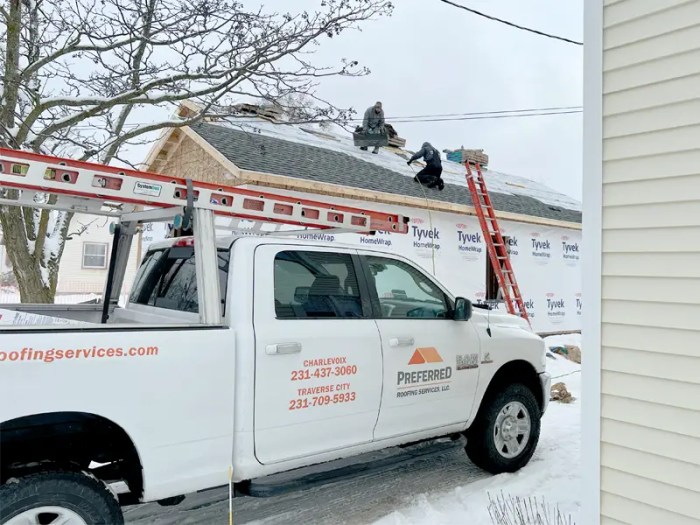
Choosing preferred roofing and siding materials is essential for ensuring the longevity and structural integrity of a building. High-quality materials offer a range of benefits, from enhanced durability to improved aesthetics and energy efficiency.
Enhanced Durability
Preferred roofing and siding materials are designed to withstand harsh weather conditions, such as heavy rain, strong winds, and extreme temperatures. This durability ensures that the building remains protected and maintains its structural integrity over time.
Improved Aesthetics
High-quality roofing and siding can significantly enhance the overall appearance of a building. Whether it's a residential home or a commercial property, the right materials can elevate the curb appeal and create a lasting impression on visitors and passersby.
Enhanced Energy Efficiency
Preferred roofing and siding materials can also contribute to improved energy efficiency within a structure. By choosing materials that provide better insulation and reduce heat transfer, property owners can lower their energy consumption and utility costs in the long run.
Types of Preferred Roofing Materials
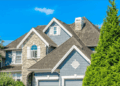
When it comes to roofing materials, there are several options to choose from. Each type has its own advantages and considerations, making it important to select the right material based on the specific needs of your property.
Asphalt Shingles
Asphalt shingles are one of the most popular roofing materials due to their affordability and ease of installation. They are available in a variety of colors and styles, making them versatile for different aesthetic preferences. Asphalt shingles are suitable for moderate climates but may not be as durable in extreme weather conditions.
Metal Roofing
Metal roofing is known for its longevity and durability, making it a preferred choice for areas prone to harsh weather conditions such as heavy snowfall or high winds. While metal roofing may have a higher upfront cost compared to other materials, its lifespan can make it a cost-effective option in the long run.
Clay Tiles
Clay tiles are a popular choice for roofing in warmer climates due to their ability to withstand high temperatures and resist mold and mildew growth. They are durable and have a long lifespan, making them a sustainable option for homeowners looking for a timeless and elegant roofing solution.
Siding Options for Enhanced Durability
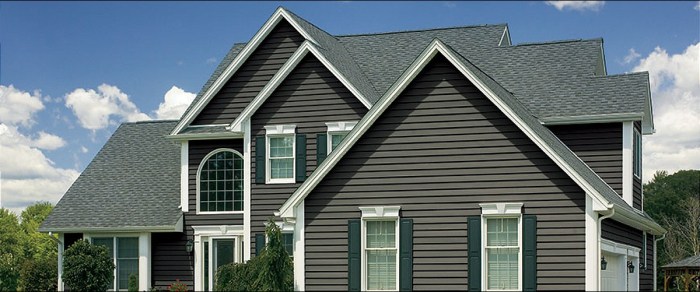
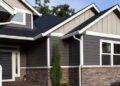
When it comes to enhancing the durability of a building, choosing the right siding material is crucial. Preferred siding options like vinyl, fiber cement, and wood siding offer a combination of durability, aesthetics, and insulation properties.
Vinyl Siding
- Vinyl siding is a popular choice for its low maintenance requirements and long-lasting durability.
- Regular cleaning with a mild detergent and water is usually sufficient to maintain the appearance of vinyl siding.
- Proper installation is essential to prevent warping or damage due to temperature changes.
Fiber Cement Siding
- Fiber cement siding is known for its resistance to fire, insects, and rot, making it a durable option for homes.
- Periodic painting or resealing is recommended to protect fiber cement siding from moisture and UV rays.
- Inspecting for cracks or damage and addressing them promptly can help extend the lifespan of fiber cement siding.
Wood Siding
- Wood siding offers a classic and natural look to a building but requires more maintenance compared to vinyl or fiber cement.
- Regular staining or painting is necessary to protect wood siding from moisture, mold, and rot.
- Proper ventilation and drainage systems can help prevent water damage and prolong the lifespan of wood siding.
Siding materials play a significant role in the overall insulation and protection of a building. Choosing the right siding option can help improve energy efficiency, reduce heating and cooling costs, and enhance the structural integrity of the property. Consider the maintenance requirements and durability of each siding material to ensure long-term protection for your building.
Installation Considerations for Preferred Roofing and Siding
Proper installation of preferred roofing materials and high-quality siding is crucial for the longevity and performance of your home.
Key Considerations for Roofing Installation
- Ensure proper ventilation to prevent moisture buildup, which can lead to mold and rot.
- Use high-quality underlayment to provide an additional layer of protection against leaks.
- Follow manufacturer's guidelines for installation to maintain warranty coverage.
- Inspect the roof deck for any damage or rot before installation to ensure a solid foundation.
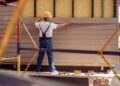
Importance of Professional Siding Installation
- Professional contractors have the expertise and experience to install siding correctly, reducing the risk of water infiltration and damage.
- They can ensure that the siding is properly sealed and secured, enhancing its durability and performance.
- Hiring professionals can also save you time and effort, as they can complete the installation efficiently and effectively.
Tips for Maintaining Roofing and Siding
- Regularly inspect the roof and siding for any signs of damage, such as missing shingles or cracks in the siding.
- Clean debris and leaves from the roof and gutters to prevent water backup and potential water damage.
- Trim overhanging branches to prevent damage from falling limbs and debris during storms.
- Consider applying a protective coating or sealant to the siding to enhance its resistance to the elements.
Outcome Summary
In conclusion, preferred roofing and siding play a crucial role in enhancing a building's aesthetics, durability, and energy efficiency. By understanding the different materials and installation considerations, you can make informed decisions to protect your structure for years to come.
Questions and Answers
What are the benefits of using high-quality roofing and siding materials?
High-quality materials offer enhanced durability, aesthetics, and energy efficiency for buildings.
Which are the common types of preferred roofing materials?
Common types include asphalt shingles, metal roofing, and clay tiles, each with unique characteristics suited for different climates.
How can siding materials impact a building's insulation and protection?
The type of siding used can affect the overall insulation and protection of a building, influencing energy efficiency and durability.


Leave a Reply
- Trending
- Comments
- Latest