Average siding cost per square opens the door to a comprehensive exploration of the factors, costs, and tips associated with this crucial aspect of home improvement. From different siding materials to cost-saving strategies, this guide will equip you with the knowledge needed to make informed decisions about your siding project.
Explore the breakdown of average costs, understand how location impacts pricing, and discover valuable insights to help you navigate the world of siding expenses with confidence.
Factors Affecting Siding Costs
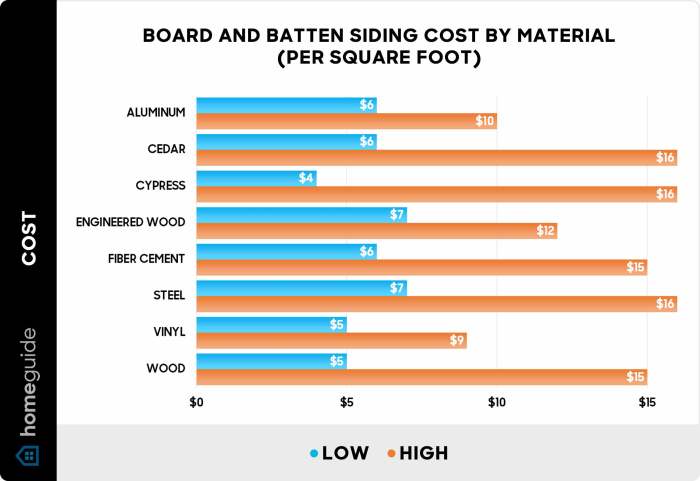
When considering the cost of siding for your home, several factors come into play that can impact the overall price. Let's explore some of the key elements that influence siding costs.
Types of Siding Materials
- Vinyl: A popular and affordable option.
- Fiber Cement: Known for its durability and low maintenance.
- Wood: Offers a classic and natural look but may require more upkeep.
- Brick: Durable and long-lasting, but can be expensive.
Quality of Siding Material
The quality of the siding material used can significantly affect the cost. Higher quality materials tend to be more expensive but offer better durability and longevity, reducing the need for frequent replacements or repairs.
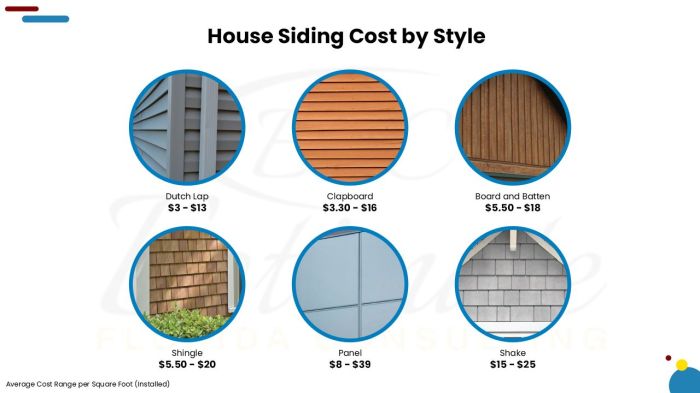
Siding Style and Design
- Basic Lap Siding: Typically the most cost-effective option.
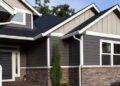
- Board and Batten: Offers a more rustic and textured look, often at a higher price point.
- Shake Siding: Mimics the look of cedar shingles and can be pricier due to its intricate design.
Size and Complexity of the Project
The size and complexity of the siding project play a crucial role in determining the overall cost. Larger homes will require more materials and labor, leading to higher expenses. Additionally, more intricate designs or customizations will also result in increased costs.
Average Cost Comparison
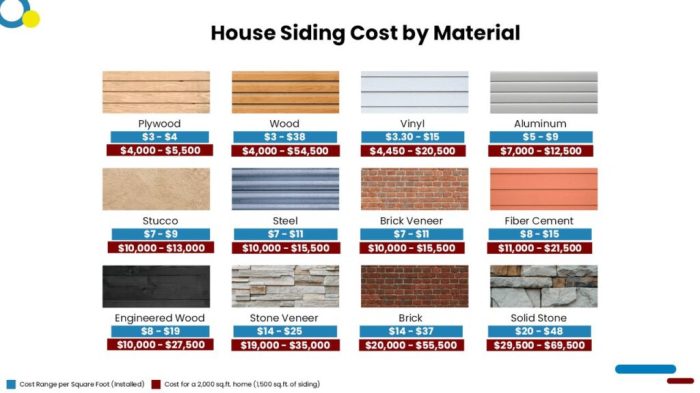
When considering the average cost of siding per square, it's essential to take into account the different materials available in the market. Each material comes with its own price point and installation costs, which can vary based on several factors.
Let's break down the average cost per square for popular siding materials and compare the installation expenses for each type.
Vinyl Siding
Vinyl siding is one of the most cost-effective options, with an average cost of $3 to $7 per square foot for materials. The installation cost typically ranges from $4 to $8 per square foot. Additional costs may include insulation, trim pieces, and any necessary preparation work before installation.
Wood Siding
Wood siding tends to be more expensive, averaging around $6 to $12 per square foot for materials. Installation costs can range from $8 to $16 per square foot. Keep in mind that wood siding may require more maintenance over time, which could lead to additional expenses down the line.
Fiber Cement Siding
Fiber cement siding falls in between vinyl and wood in terms of cost, with an average price of $5 to $12 per square foot for materials. Installation costs typically range from $6 to $13 per square foot. Additional costs may include painting or sealing the siding, as well as any necessary repairs or replacements.
Geographical Location Impact
The geographical location can significantly impact the average siding cost per square. Areas with higher labor costs or stricter building codes may have higher installation expenses. Additionally, regions prone to extreme weather conditions may require more durable siding materials, which can also affect the overall cost.
It's important to consider these factors when budgeting for a siding project.
Cost-Saving Tips
When it comes to saving money on siding costs, there are several strategies that homeowners can consider. By being strategic in their approach, homeowners can reduce expenses without compromising on the quality of the materials or installation.One effective way to save on siding costs is by opting for DIY installation instead of hiring professionals.
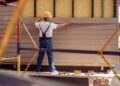
While this may require some time and effort, homeowners can potentially save a significant amount of money by taking on the installation themselves. However, it's important to ensure that the installation is done correctly to avoid any future issues.Another cost-saving tip is to negotiate pricing with siding contractors.
Homeowners can try to get quotes from multiple contractors and leverage these quotes to negotiate a better price. Additionally, timing can also play a role in negotiation, as contractors may be more willing to offer discounts during their slower seasons.When deciding on siding materials, it's worth considering investing in higher-priced options for long-term savings.
While the upfront cost may be higher, premium materials often require less maintenance and have a longer lifespan, ultimately saving homeowners money in the long run. It's essential to weigh the initial cost against the long-term benefits to make an informed decision.
Understanding Quotes and Estimates
When it comes to siding projects, understanding quotes and estimates is crucial in making informed decisions. Here's a breakdown of how to interpret siding quotes and estimates, the importance of comparing multiple quotes, what to look for in a comprehensive siding estimate, and common red flags to watch out for.
Interpreting Siding Quotes and Estimates
- Ensure that the quote includes detailed information about the materials to be used, labor costs, any additional services, and the total cost.
- Look for any hidden fees or charges that may not be explicitly stated in the quote.
- Ask for clarification on any unclear or confusing items in the estimate to avoid surprises later on.
Importance of Comparing Multiple Quotes
- By obtaining multiple quotes, you can get a better sense of the average cost and choose the most cost-effective option.
- Comparing quotes allows you to assess the quality of materials and services offered by different contractors.
- It helps in avoiding overpriced or underpriced quotes that may not reflect the true value of the project.
What to Look for in a Comprehensive Siding Estimate
- Make sure the estimate includes a detailed breakdown of costs for materials, labor, permits, and any additional services.
- Look for warranties or guarantees on the workmanship and materials used in the project.
- Check if the estimate specifies a timeline for the completion of the project to avoid delays.
Common Red Flags in Siding Cost Estimates
- Beware of significantly lower quotes compared to others, as they may indicate the use of subpar materials or inexperienced contractors.
- Watch out for vague or incomplete estimates that lack detailed information on costs and services included.
- Avoid estimates that do not mention permits or inspections, as these are essential for a legally compliant siding project.
Concluding Remarks
In conclusion, the intricacies of average siding cost per square have been unveiled, offering a roadmap for homeowners seeking to embark on this journey. Armed with a deeper understanding of the key factors influencing costs, you are now empowered to make choices that align with your budget and vision for your home.
General Inquiries
What are the most popular siding materials?
The most popular siding materials include vinyl, wood, and fiber cement.
How can homeowners negotiate pricing with siding contractors?
Homeowners can negotiate pricing by getting multiple quotes, comparing them, and discussing options for cost reductions.
Is DIY siding installation a cost-effective option?
DIY siding installation can lead to cost savings, but it's important to weigh the pros and cons based on your skill level and the complexity of the project.
When should homeowners invest in higher-priced siding materials?
Investing in higher-priced siding materials is worth it for long-term savings and durability, especially in regions with harsh weather conditions.


Leave a Reply
- Trending
- Comments
- Latest