Delving into the life and work of Charles Eames, this introduction provides a captivating overview of his impactful contributions to the world of design. From his early beginnings to his lasting influence, this narrative aims to engage readers in a fascinating journey through the lens of one of the most iconic designers of the 20th century.
Detailing his innovative techniques, iconic designs, and profound influence, this introduction sets the stage for a comprehensive exploration of Charles Eames' enduring legacy.
Background of Charles Eames
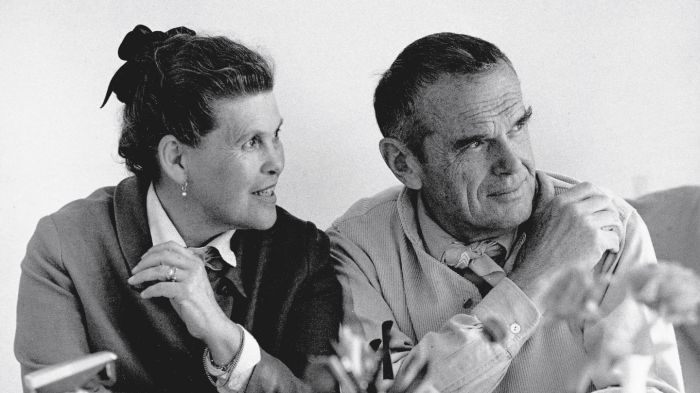
Charles Eames, born in 1907, was an American designer and architect known for his groundbreaking contributions to modern architecture and furniture design.
Early Life and Education
Charles Eames studied architecture at Washington University in St. Louis, where he developed a keen interest in combining art and technology in his work. After completing his studies, he worked briefly at an architectural firm before venturing into furniture design.
Career in Architecture and Design
- Charles Eames gained recognition for his innovative use of materials, particularly plywood and fiberglass, in creating iconic furniture pieces such as the Eames Lounge Chair.
- He collaborated with prominent manufacturers like Herman Miller to produce mass-produced, affordable furniture that emphasized both form and function.
- Eames also delved into architectural projects, including designing the famous Eames House in California, which showcased his unique blend of modernist principles and organic aesthetics.
Collaborations with Ray Eames
Charles Eames' most notable collaboration was with his wife, Ray Eames, a talented artist and designer in her own right. Together, they formed a dynamic duo that produced iconic furniture designs, films, and exhibitions that continue to influence the world of design today.
Design Philosophy
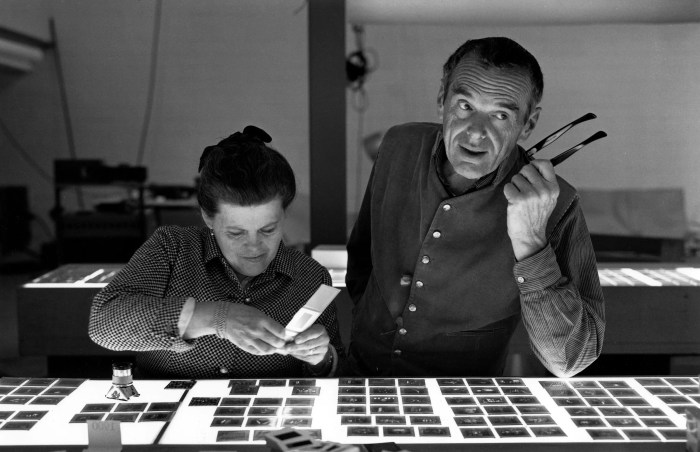
Charles Eames was known for his innovative design principles that focused on functionality, simplicity, and mass production. He believed that design should serve a purpose and improve the quality of life for people. Eames often emphasized the use of new materials and technologies to create affordable and practical designs that were accessible to a wide audience.
Comparison with Other Designers
In comparison to other prominent designers of his time, such as Le Corbusier and Ludwig Mies van der Rohe, Charles Eames stood out for his collaborative approach to design. Eames often worked closely with his wife, Ray Eames, in a multidisciplinary design studio, which allowed them to explore a wide range of projects from furniture design to architecture.
This collaborative and experimental approach set Eames apart from his contemporaries and influenced the way design was perceived and practiced.
Iconic Designs
One of the most iconic designs attributed to Charles Eames is the Eames Lounge Chair and Ottoman, which exemplifies his design philosophy of combining comfort, style, and functionality. Another notable design is the Eames Molded Plywood Chair, which showcased Eames' innovative use of materials and manufacturing techniques.
These designs have stood the test of time and continue to be celebrated for their timeless appeal and practicality.
Impact on Modern Design
Charles Eames revolutionized modern furniture design with his innovative approach and iconic creations. His work continues to influence contemporary design trends and shapes the way we perceive aesthetics in our living spaces.
Influence on Modern Furniture Design
Charles Eames' impact on modern furniture design is undeniable. His use of new materials, such as molded plywood and fiberglass, pushed the boundaries of traditional furniture construction. This led to the creation of timeless pieces that are not only functional but also visually striking.
- Eames Lounge Chair and Ottoman: This iconic design remains a symbol of sophistication and comfort, blending luxury with practicality.
- Eames Molded Plastic Chair: Known for its ergonomic shape and versatility, this chair has become a staple in modern interiors.
- Eames Wire Chair: The innovative use of wire in this design showcases Eames' experimental nature and commitment to pushing design boundaries.
Shaping the Mid-Century Modern Aesthetic
Charles Eames played a pivotal role in shaping the mid-century modern aesthetic with his clean lines, organic forms, and emphasis on functionality. His designs reflected the post-war optimism of the era and captured the essence of modern living.
Eames' ability to combine form and function in a harmonious way set the standard for modern furniture design, influencing generations of designers to come.
Legacy in Contemporary Culture
The legacy of Charles Eames' designs can be seen in contemporary culture through their widespread popularity and timeless appeal. His furniture pieces continue to be coveted by design enthusiasts and are often featured in interior design magazines and exhibitions.
- Eames' design philosophy of "the best for the most for the least" resonates with the sustainable design practices of today, emphasizing quality and longevity.
- The Eames Foundation preserves and promotes the couple's design legacy, ensuring that their contributions to modern design are remembered and celebrated for years to come.
Innovative Techniques
Charles Eames was known for his innovative approach to design, constantly exploring new techniques and materials to push the boundaries of traditional design. His experimentation with new technologies set him apart as a pioneer in the field of modern design.
Use of Molded Plywood
One of the most iconic techniques used by Charles Eames was the molding of plywood to create organic shapes and forms. This innovative method allowed him to design furniture pieces with sleek, flowing lines that were both visually striking and structurally sound.
Exploration of Fiberglass
Eames also delved into the use of fiberglass as a material for furniture design, which was a novel approach at the time. By experimenting with fiberglass, he was able to create lightweight yet durable chairs that revolutionized the way people thought about seating.
Collaboration with IBM on Computer-Aided Design
In the 1970s, Charles Eames collaborated with IBM to explore the possibilities of computer-aided design. This partnership led to the development of innovative techniques for creating complex architectural and furniture designs using computer technology, a groundbreaking advancement in the field of design.
Integration of New Technologies
Eames was constantly integrating new technologies into his design process, from the innovative use of materials to the adoption of cutting-edge manufacturing techniques. His forward-thinking approach to design paved the way for the integration of technology into the creative process, influencing generations of designers to come.
Last Point
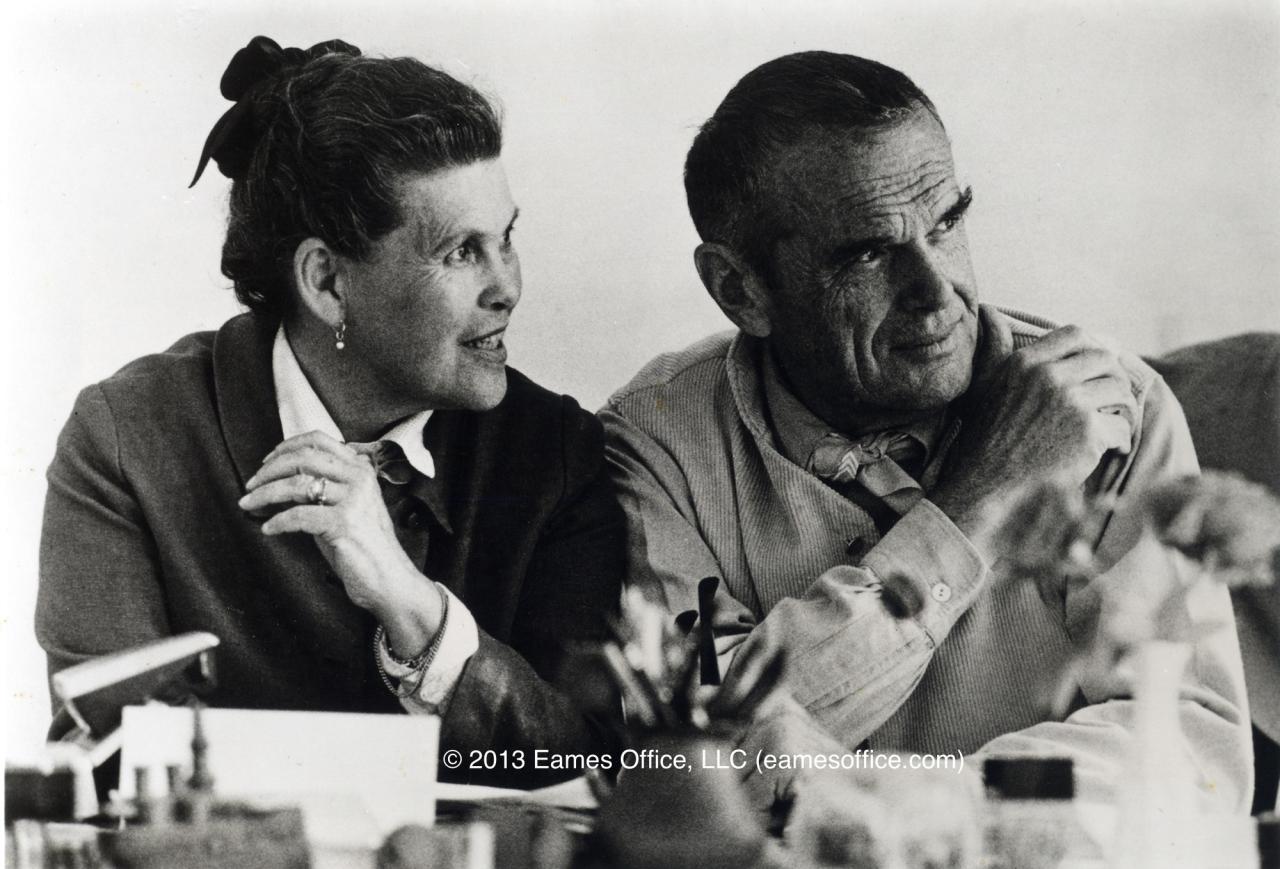
In conclusion, the legacy of Charles Eames continues to inspire and shape the world of design today. His innovative spirit, timeless creations, and lasting impact serve as a testament to his influence on modern aesthetics and culture. Through his groundbreaking work, Eames has left an indelible mark on the design landscape that will be celebrated for generations to come.
Frequently Asked Questions
What were Charles Eames' early influences in design?
Charles Eames was greatly influenced by the works of Finnish architect Eliel Saarinen, whose organic approach to design resonated with Eames and would later influence his own design philosophy.
How did Charles Eames contribute to the development of modern furniture design?
Charles Eames revolutionized modern furniture design by incorporating new materials like molded plywood and fiberglass, creating iconic pieces that combined form and function seamlessly.
What sets Charles Eames' design principles apart from other designers of his time?
Eames' emphasis on functionality, accessibility, and affordability in design distinguished him from his contemporaries, leading to a unique and influential design legacy.


Leave a Reply
- Trending
- Comments
- Latest