With CRM property management taking the lead, this paragraph sets the stage for a deep dive into the world of property management software. From improving operational efficiency to fostering better tenant relationships, CRM systems play a crucial role in modern real estate management.
As we delve further into the essential features, implementation strategies, data security measures, and customer relationship-building aspects of CRM property management, we uncover the key to successful property management in the digital age.
Introduction to CRM Property Management
CRM, which stands for Customer Relationship Management, plays a crucial role in the real estate industry, particularly in property management. It involves strategies, technologies, and practices used by property managers to analyze and manage customer interactions and data throughout the customer lifecycle.
Implementing a CRM system in property management can greatly improve efficiency, communication, and overall customer satisfaction. By centralizing and organizing tenant information, maintenance requests, lease agreements, and communication logs, property managers can streamline their operations and provide better service to their tenants.
Benefits of CRM Systems in Property Management
- Improved Tenant Relationships: CRM systems help property managers track tenant preferences, communicate effectively, and respond promptly to inquiries or concerns, leading to stronger tenant relationships.
- Efficient Maintenance Management: By using CRM systems to log and track maintenance requests, property managers can prioritize tasks, assign work orders, and ensure timely resolution of issues.
- Enhanced Communication: CRM systems facilitate seamless communication between property managers, tenants, vendors, and other stakeholders, ensuring that everyone is kept informed and up-to-date on important matters.
- Data Analysis and Reporting: CRM systems provide valuable insights through data analysis, enabling property managers to make informed decisions, identify trends, and optimize their property management strategies.
Key Features of CRM for Property Management
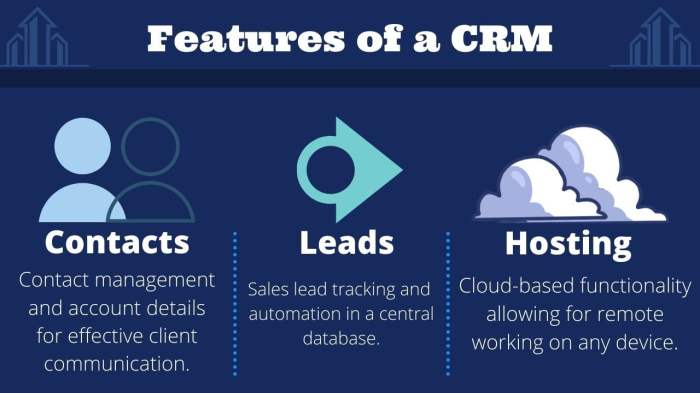
CRM software for property management offers a range of essential features that can greatly benefit property owners and managers. From streamlining tasks to enhancing tenant communication, CRM tools are a valuable asset in the real estate industry.
Automation Tools for Streamlining Property Management Tasks
- Automated Rent Collection: CRM systems can automate rent collection processes, ensuring timely payments and reducing administrative workload.
- Maintenance Request Management: Property managers can use CRM software to track maintenance requests, assign tasks to maintenance staff, and monitor progress efficiently.
- Lease Management: CRM platforms enable property managers to store lease agreements, track lease expirations, and automate lease renewals, eliminating manual paperwork.
Enhanced Tenant Communication and Engagement
- Communication Tracking: CRM systems allow property managers to keep track of all tenant communications, ensuring timely responses and personalized interactions.
- Event Reminders: CRM tools can send automated reminders for important events such as lease renewals, maintenance appointments, or community gatherings, enhancing tenant engagement.
- Feedback Collection: By using CRM software, property managers can collect feedback from tenants regarding their experiences, preferences, and suggestions, helping improve overall tenant satisfaction.
Implementing CRM in Property Management
Implementing Customer Relationship Management (CRM) in property management can greatly improve efficiency and tenant satisfaction. Here are some steps for successful CRM implementation in property management:
Steps for Successful CRM Implementation
- Evaluate current processes and identify areas where CRM can streamline operations.
- Choose a CRM system that aligns with the specific needs and goals of your property management company.
- Train staff on how to use the CRM system effectively to maximize its benefits.
- Customize the CRM system to fit the unique requirements of your property management business.
- Regularly monitor and analyze data within the CRM system to make informed decisions and improvements.
Common Challenges Faced During CRM Implementation and Solutions
- Resistance to change among staff members: Provide comprehensive training and emphasize the benefits of CRM adoption.
- Data migration issues: Work closely with CRM providers to ensure a smooth transition of data from existing systems.
- Lack of integration with existing workflows: Collaborate with IT experts to seamlessly integrate CRM into current property management processes.
Tips for Integrating CRM into Existing Property Management Workflows
- Start small and gradually expand CRM usage to avoid overwhelming staff.
- Encourage feedback from employees to identify areas for improvement and customization.
- Utilize CRM analytics to track key performance indicators and enhance decision-making processes.
- Regularly review and update CRM processes to ensure alignment with evolving business needs.
Data Management and Security in CRM for Property Management
Data management and security play a crucial role in property management CRM systems
Importance of Data Management
Effective data management in CRM for property management is essential for maintaining up-to-date records of properties, tenants, maintenance schedules, and financial transactions. It allows property managers to track and analyze data efficiently, leading to better decision-making and improved operational efficiency.
- Centralized Data Storage: CRM systems provide a centralized platform for storing and organizing property-related data, eliminating the need for manual record-keeping and reducing the risk of data loss.
- Data Accuracy: By ensuring data integrity and consistency, property managers can rely on accurate information for lease agreements, maintenance requests, and financial reports.
- Data Analysis: CRM systems enable property managers to analyze trends, identify opportunities for growth, and optimize property performance based on data-driven insights.
Best Practices for Data Security and Privacy
Maintaining data security and privacy is vital in CRM systems to protect sensitive information from cyber threats and unauthorized access.
- Role-Based Access Control: Implement role-based access controls to restrict data access based on user roles and responsibilities, ensuring that only authorized personnel can view or modify sensitive data.
- Encryption: Utilize encryption techniques to secure data in transit and at rest, safeguarding information from interception or theft.
- Regular Data Backups: Perform regular backups of CRM data to prevent data loss in the event of system failures, cyber-attacks, or accidental deletions.
Compliance with Data Protection Regulations
CRM systems help property managers comply with data protection regulations such as GDPR and CCPA by implementing robust data security measures and privacy controls.
- Consent Management: CRM systems enable property managers to obtain consent from tenants for collecting and processing their personal data in compliance with data protection laws.
- Data Audit Trails: Maintain audit trails within CRM systems to track data access, modifications, and deletions, ensuring transparency and accountability in data handling processes.
- Data Retention Policies: Establish data retention policies within CRM systems to govern the storage and deletion of data in accordance with regulatory requirements, minimizing the risk of non-compliance penalties.
Customer Relationship Building with CRM
Building strong tenant relationships is crucial in property management, and Customer Relationship Management (CRM) systems play a key role in facilitating this process. By leveraging CRM tools effectively, property managers can enhance tenant interactions, personalize communication, and anticipate tenant needs.
Strategies for Building Strong Tenant Relationships
- Regular Communication: Use CRM to maintain regular communication with tenants through personalized messages, updates on property maintenance, and upcoming events.
- Offer Personalized Services: Utilize CRM data to offer personalized services to tenants based on their preferences and needs, such as customized maintenance schedules or special amenities.
- Feedback Collection: Use CRM to gather feedback from tenants on their experiences, suggestions for improvement, and overall satisfaction with the property.
Role of CRM in Personalized Tenant Interactions
CRM systems enable property managers to track tenant preferences, communication history, and feedback, allowing for personalized interactions. By analyzing tenant data stored in the CRM, property managers can tailor their communication and services to meet individual tenant needs effectively.
Examples of How CRM Can Help Property Managers Anticipate Tenant Needs
- Proactive Maintenance: CRM can help property managers track maintenance requests, schedule regular inspections, and anticipate potential issues before they become major problems for tenants.
- Lease Renewals: By analyzing tenant behavior and preferences stored in the CRM, property managers can anticipate lease renewal dates, offer personalized lease terms, and ensure tenant retention.
- Community Engagement: CRM can be used to organize community events, gather tenant feedback on preferred activities, and create a sense of belonging among tenants, leading to stronger relationships and tenant satisfaction.
End of Discussion
In conclusion, CRM property management emerges as a powerful tool that not only streamlines operations but also nurtures meaningful interactions with tenants. By embracing CRM systems, property managers can revolutionize their approach to real estate management and set new standards for customer service and operational excellence.
Clarifying Questions
How can CRM benefit property managers?
CRM systems can centralize property data, automate tasks, and improve tenant communication, leading to enhanced operational efficiency and tenant satisfaction.
What are the common challenges faced during CRM implementation?
Common challenges include resistance to change, data migration issues, and training requirements. Solutions involve clear communication, proper training, and phased implementation.
How can CRM systems help property managers comply with data protection regulations?
CRM systems offer data security measures, such as encryption and access controls, to ensure compliance with data protection regulations like GDPR and CCPA.


Leave a Reply
- Trending
- Comments
- Latest