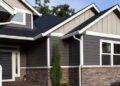
Embarking on the journey of exterior siding replacement opens up a world of possibilities for transforming your home. From enhancing its aesthetic appeal to ensuring its structural integrity, this process plays a crucial role in the maintenance of your property.
Let's explore the ins and outs of exterior siding replacement to help you make informed decisions for your home.
Importance of Exterior Siding Replacement
Exterior siding replacement is a crucial aspect of maintaining a home's appearance and structural integrity. Over time, siding can deteriorate due to exposure to harsh weather conditions, leading to a shabby and worn-out look. Additionally, damaged siding can compromise the structural stability of the house, allowing moisture to seep in and cause further damage.
Signs that indicate when it’s time for exterior siding replacement
- Cracks or holes in the siding
- Peeling or blistering paint
- Warping or rotting boards
- Mold or mildew growth
How new siding can enhance energy efficiency and curb appeal
By replacing old, worn-out siding with new, energy-efficient materials, homeowners can significantly improve the insulation of their homes. This can lead to lower energy bills and a more comfortable indoor environment. Moreover, new siding can enhance the curb appeal of the house, increasing its value and making it more attractive to potential buyers.
Types of Exterior Siding Materials
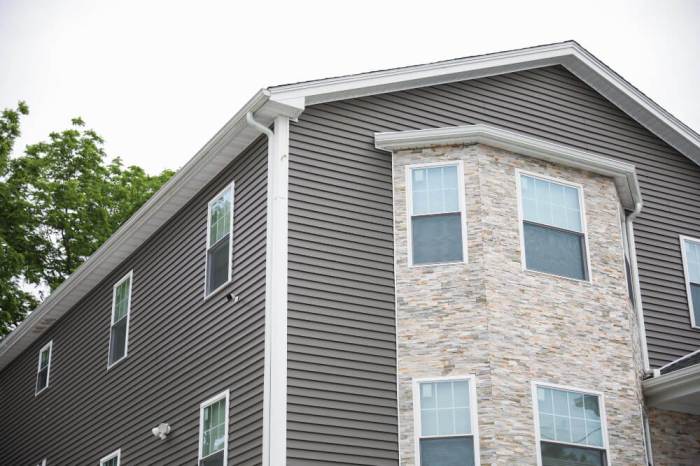
When it comes to choosing the right exterior siding material for your home, there are several options to consider. Each type of material has its own unique characteristics, benefits, and considerations to keep in mind.
Vinyl Siding
Vinyl siding is a popular choice due to its affordability, low maintenance requirements, and wide range of colors and styles. It is durable, resistant to rot and insects, and easy to clean with just soap and water. However, vinyl siding may crack or fade over time, especially in extreme weather conditions.
Wood Siding
Wood siding offers a classic, natural look that can enhance the aesthetic appeal of a home. It is environmentally friendly, renewable, and can be painted or stained in various colors. However, wood siding requires regular maintenance such as staining, painting, and sealing to prevent rot, mold, and insect damage.
Fiber Cement Siding
Fiber cement siding is a versatile and durable option that can mimic the look of wood, stucco, or masonry. It is resistant to fire, rot, and insects, and requires minimal maintenance. While fiber cement siding is more expensive than vinyl, it is long-lasting and can withstand harsh weather conditions.
Metal Siding
Metal siding, such as aluminum or steel, is known for its strength, durability, and low maintenance requirements. It is resistant to fire, rot, and insects, making it a practical choice for homeowners looking for long-term protection. Metal siding is available in various finishes and can be painted to match the home's exterior.Choosing the best siding material for your home will depend on factors such as climate, budget, maintenance preferences, and desired aesthetic.
Consider consulting with a professional contractor to determine the most suitable option based on your specific needs and requirements.
The Exterior Siding Replacement Process
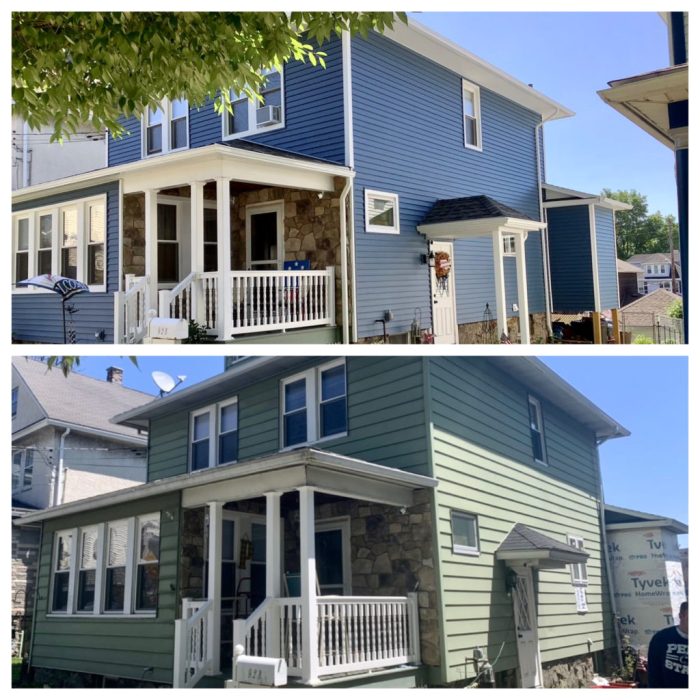
Replacing exterior siding is a crucial home improvement project that can enhance the curb appeal and functionality of your property. The process involves several steps, each essential for ensuring a successful outcome.Proper preparation is key to a smooth siding replacement project.
This includes conducting a thorough assessment of the existing siding to determine the extent of damage or wear. It is important to remove the old siding carefully, addressing any underlying issues such as water damage or rot. This step sets the foundation for a durable and long-lasting siding installation.
Installation Techniques and Considerations
- Each type of siding material requires specific installation techniques. For example, vinyl siding is typically installed using nails or clips, while fiber cement siding may require special tools for cutting and fastening.
- Proper insulation and weatherproofing are crucial during the installation process to ensure energy efficiency and protection against the elements.
- Special considerations, such as ventilation requirements or trim details, should be taken into account to achieve a seamless and professional finish.
Cost Considerations and Budgeting
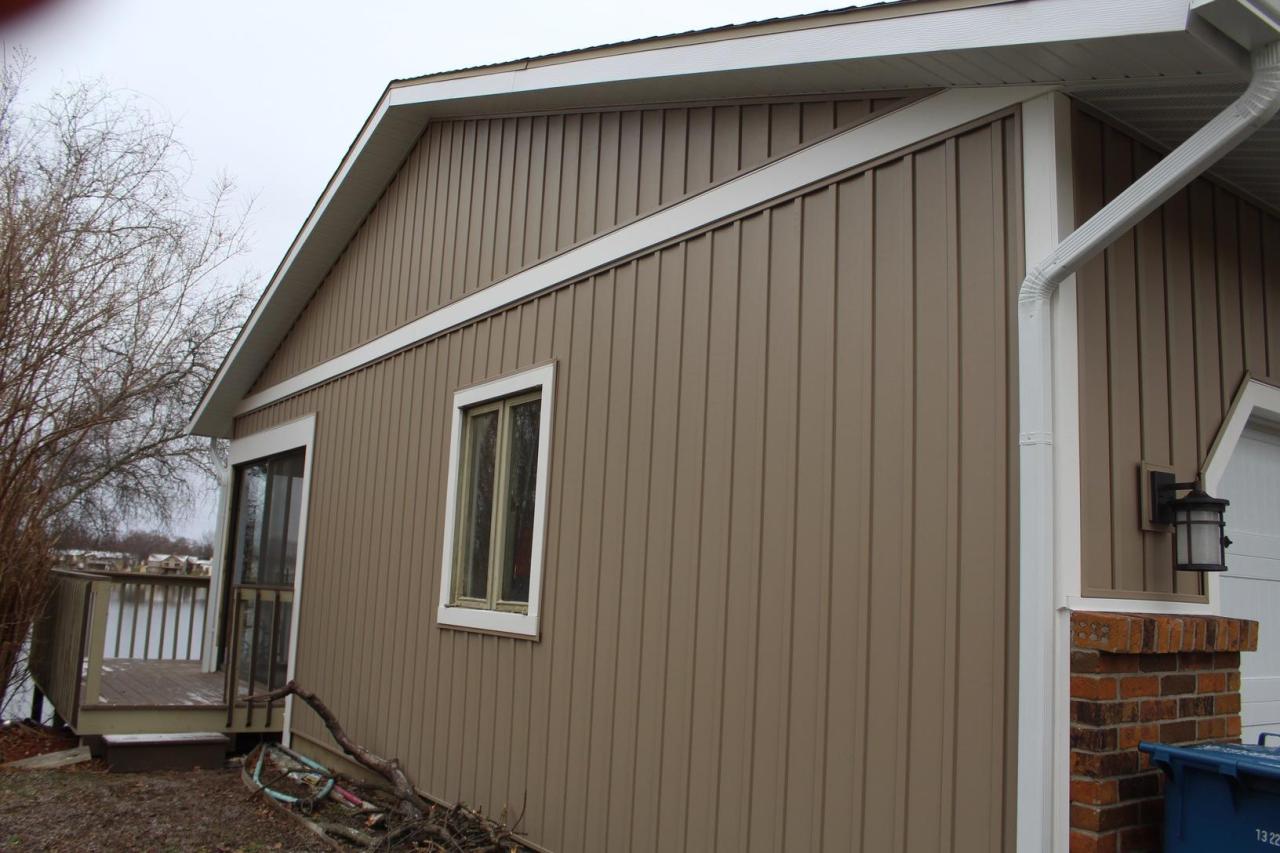
When planning for an exterior siding replacement project, it is essential to consider the various costs involved and create a budget to ensure the project stays within financial constraints.
Typical Costs Associated with Exterior Siding Replacement
- Cost of Materials: This includes the price of the siding material you choose, such as vinyl, wood, fiber cement, or metal.
- Labor Costs: Hiring professionals to install the new siding will incur labor expenses, which can vary based on the complexity of the project.
- Permit Fees: Depending on your location, you may need to obtain permits for the siding replacement, which can add to the overall cost.
- Disposal Fees: Properly disposing of the old siding material may require additional fees, especially for hazardous materials.
Factors Influencing Overall Cost
- Size of the Home: The larger the home, the more materials will be needed, impacting the overall cost of the project.
- Choice of Material: Different siding materials come at varying price points, affecting the total cost of the replacement.
- Labor Expenses: The complexity of the installation process and the rates charged by contractors can influence the labor costs.
Tips for Budgeting and Saving on Costs
- Get Multiple Quotes: Obtain quotes from different contractors to compare prices and find the best deal for your budget.
- Consider DIY Options: If you have the skills and experience, you may be able to save on labor costs by tackling some of the installation yourself.
- Choose Cost-Effective Materials: Opt for siding materials that offer a good balance between quality and price to stay within budget.
- Plan for Contingencies: Set aside a contingency fund in case of unexpected expenses or issues that may arise during the project.
Maintenance and Care Tips for New Siding
Proper maintenance and care are essential for preserving the appearance and longevity of your newly installed exterior siding. By following these best practices, you can ensure that your siding continues to look great for years to come.
Cleaning Different Types of Siding Materials
- For vinyl siding, use a mixture of water and mild detergent to gently scrub away dirt and grime. Avoid using abrasive cleaners that can damage the surface.
- Wood siding should be cleaned with a solution of water and oxygen bleach to remove mold, mildew, and dirt. Be sure to rinse thoroughly and let it dry completely.
- Fiber cement siding can be cleaned with a solution of water and mild soap. Avoid using high-pressure washers that can cause water damage or chip the paint.
- Metal siding should be washed with a solution of water and mild detergent. Inspect for any signs of rust and address them promptly to prevent further corrosion.
Inspections, Repairs, and Preventive Measures
- Regularly inspect your siding for any signs of damage, such as cracks, chips, or warping. Address any issues promptly to prevent further damage.
- Make sure to trim any trees or bushes near the siding to prevent scratches or damage from branches rubbing against the surface.
- Consider applying a fresh coat of paint or sealant every few years to protect the siding from the elements and maintain its appearance.
- During extreme weather conditions, such as storms or heavy winds, check your siding for any loose panels or fasteners and secure them as needed.
Final Thoughts
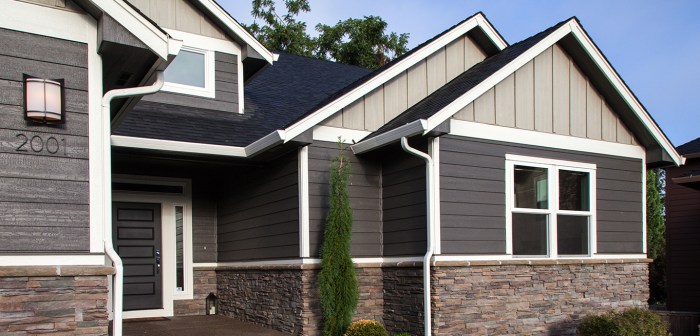
As we conclude our discussion on exterior siding replacement, it becomes evident that this undertaking is more than just a home improvement project—it's a step towards preserving the beauty and durability of your living space. By understanding the importance of proper siding maintenance and material selection, you can elevate the charm and functionality of your home for years to come.
Top FAQs
When should I consider replacing my exterior siding?
You should consider replacing your exterior siding when you notice signs of damage, such as cracks, rot, or warping. Additionally, if your current siding is outdated and no longer provides adequate protection, it might be time for a replacement.
Which siding material is best for a humid climate?
Fiber cement siding is a great choice for humid climates due to its resistance to moisture and mold. It offers durability and low maintenance, making it ideal for areas with high humidity levels.
How often should I inspect my new siding for maintenance?
It is recommended to inspect your new siding at least once a year to check for any signs of damage or wear. Regular inspections can help identify issues early on and prevent potential problems from escalating.