Step into the world of architectural wonder with a tour of Gropius House. This iconic structure holds a rich history and unique design, captivating all who visit.
Learn about the architectural style, interior design, and legacy that make Gropius House a true gem in the world of modern architecture.
Introduction to Gropius House
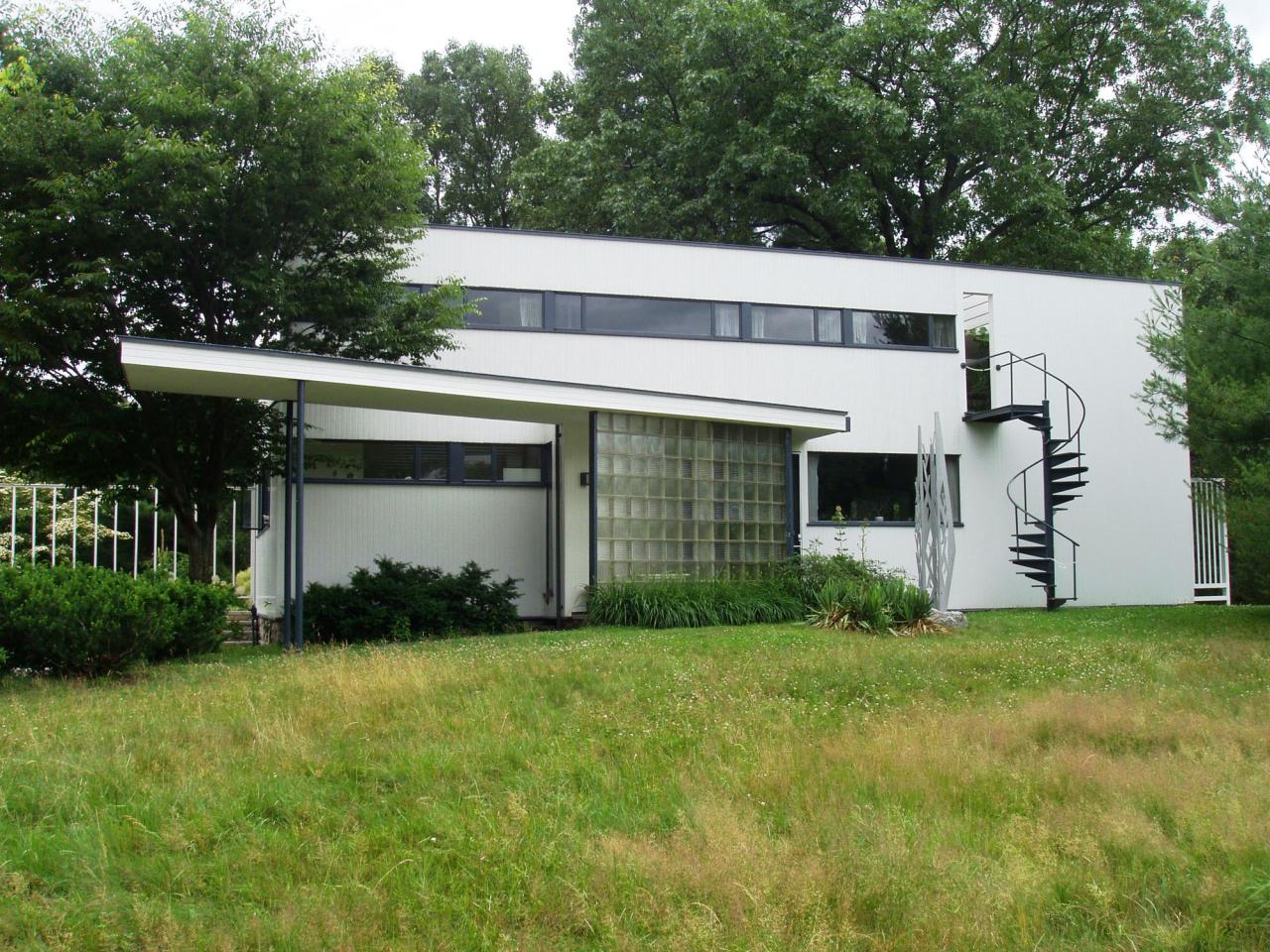
The Gropius House is a historic house museum located in Lincoln, Massachusetts, designed by the renowned architect Walter Gropius. Built in 1938, the house served as the family residence of Gropius, the founder of the Bauhaus school, and his wife Ise Gropius.
The architectural style of the Gropius House is a prime example of Bauhaus design, characterized by its clean lines, open floor plan, and integration of indoor and outdoor spaces. The house features a flat roof, large windows, and a simple, functional design that reflects the Bauhaus principles of form following function.
Architectural Features of Gropius House
- The use of industrial materials such as steel, glass, and concrete
- The incorporation of modular furniture and built-in storage solutions
- The emphasis on natural light and ventilation through strategically placed windows
- The seamless connection between the interior and exterior spaces, blurring the boundaries between inside and outside
Cultural Significance of Gropius House
The Gropius House not only stands as a testament to the innovative architectural vision of Walter Gropius but also serves as a symbol of the Bauhaus movement's influence on modern design and architecture. The house is a cultural landmark that continues to inspire architects, designers, and enthusiasts around the world.
Walter Gropius
Walter Gropius was a German architect and founder of the Bauhaus School, known for his revolutionary contributions to modern architecture. He was born in 1883 and had a significant impact on the development of architectural principles in the 20th century.
Influence on Modern Architecture
Walter Gropius played a crucial role in shaping modern architecture by emphasizing the integration of art, craftsmanship, and technology. His innovative approach focused on functional design, simplicity, and the use of industrial materials. Gropius's designs were characterized by clean lines, open spaces, and minimal ornamentation, setting a new standard for architectural aesthetics.
Vision and Philosophy in Design
Gropius believed in the concept of "total architecture," which involved creating harmonious environments that combined architecture, interior design, and landscaping. He promoted the idea of collaboration among architects, artists, and craftsmen to achieve holistic design solutions. Gropius also emphasized the importance of social responsibility in architecture, striving to create buildings that improved the quality of life for inhabitants and contributed positively to the urban environment.
Architecture of Gropius House
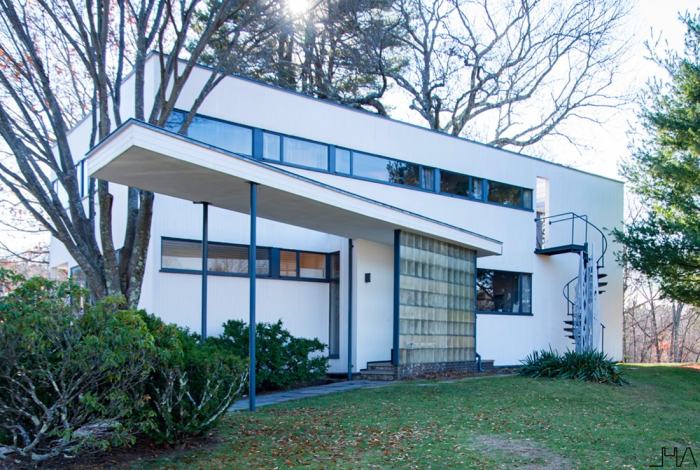
The architecture of Gropius House, designed by Walter Gropius, reflects the principles of Bauhaus designsimplicity, functionality, and harmony between form and function. The layout and structure of the house showcase innovative design elements that were ahead of its time.
Layout and Structure
The Gropius House features a rectangular shape with a flat roof and large windows that allow natural light to flood the interior spaces. The open floor plan creates a sense of spaciousness and blurs the boundaries between different areas of the house.
The integration of indoor and outdoor spaces through the use of patios and terraces further enhances the sense of openness and connection with nature.
Materials Used
The construction of Gropius House utilized modern materials such as steel, glass, and concrete, which were characteristic of Bauhaus architecture. These materials were chosen for their durability, flexibility, and ability to create a sleek, minimalist aesthetic. The combination of industrial materials with warm wood accents adds a touch of warmth and sophistication to the overall design.
Innovative Design Elements
One of the innovative design elements of Gropius House is the use of modular construction techniques, allowing for flexibility and future expansion
Interior Design
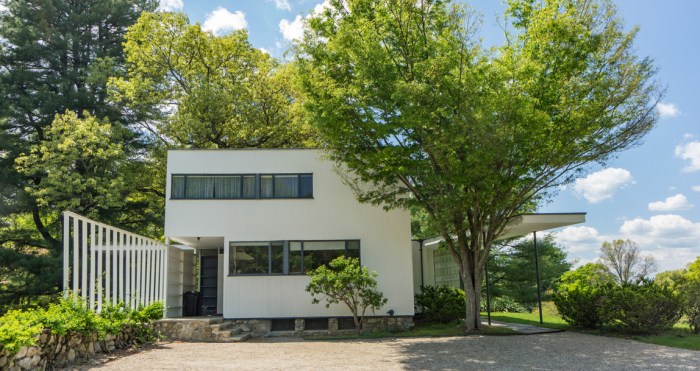
The interior design of Gropius House reflects the principles of simplicity, functionality, and innovation that are synonymous with Bauhaus architecture. Walter Gropius, the founder of the Bauhaus School, aimed to create a harmonious relationship between form and function in all aspects of design, including the interiors of his own home.The furniture and decor choices within Gropius House are characterized by clean lines, geometric shapes, and a minimalistic aesthetic.
Gropius selected pieces that were both visually appealing and practical, often incorporating innovative materials and construction techniques. The use of chrome, leather, and tubular steel was common in the furniture design, highlighting the modern and industrial influences of the Bauhaus movement.The interior design of Gropius House complements the architectural style through its seamless integration of form and function.
The open floor plan, large windows, and emphasis on natural light create a sense of spaciousness and connection to the surrounding landscape. The furniture and decor enhance the overall design aesthetic, providing a cohesive and unified look that reinforces the modernist principles of simplicity and efficiency.
Legacy of Gropius House
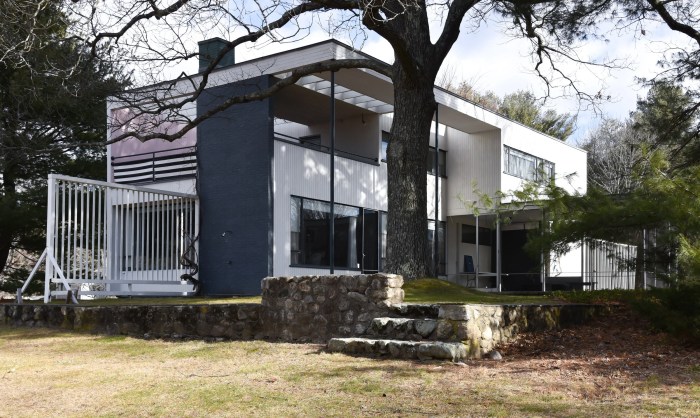
The Gropius House, designed by Walter Gropius, holds a significant legacy in the realm of modern architecture. Its innovative design principles and forward-thinking approach have greatly influenced the architectural landscape.
Impact on Modern Architecture
The Gropius House is considered a pioneering example of modernist architecture, showcasing elements such as open floor plans, geometric forms, and a focus on functionality. These design principles have been widely adopted in contemporary architecture, shaping the way buildings are conceptualized and constructed.
Preservation Efforts and Current Status
Efforts to preserve the Gropius House have been ongoing, with the property now designated as a National Historic Landmark. The house is meticulously maintained to showcase Gropius's original vision, allowing visitors to experience the essence of modernist design firsthand.
Educational and Cultural Programs
The Gropius House serves as a hub for educational and cultural programs that aim to celebrate the legacy of Walter Gropius and promote an understanding of modern architecture. These programs include guided tours, lectures, and exhibitions that delve into the historical significance of the house and its impact on architectural development.
End of Discussion
As we conclude our exploration of Gropius House, it's evident that its influence goes beyond its walls. The legacy it leaves behind is a testament to the brilliance of its design and the vision of its creator.
FAQ Summary
What makes Gropius House unique?
Gropius House is known for its blend of traditional New England architecture with modernist elements, creating a one-of-a-kind aesthetic.
Can visitors explore the interior of Gropius House?
Yes, guided tours are available for visitors to experience the innovative interior design concepts firsthand.
Is Gropius House open to the public year-round?
No, Gropius House is open seasonally from May to October for tours and visits.
How has Gropius House influenced modern architecture?
Gropius House set a new standard for design by integrating modernist principles with traditional architecture, inspiring future architects.