Embark on a journey through the world of landscape architecture projects, where creativity meets functionality. This guide offers valuable insights and information on the intricacies of designing and implementing successful projects in this dynamic field.
From residential gardens to large-scale public spaces, landscape architecture projects play a crucial role in shaping our surroundings. Let's explore the key elements and best practices that define these projects.
Landscape Architecture Projects Overview
Landscape architecture projects involve the planning, design, and management of outdoor spaces to create functional, aesthetically pleasing, and sustainable environments.
These projects play a crucial role in enhancing the quality of urban and rural areas, promoting environmental sustainability, and improving the overall well-being of communities.
Key Elements of Successful Landscape Architecture Projects
- Site Analysis: Conducting a thorough analysis of the site's characteristics, including topography, soil conditions, climate, and existing vegetation, is essential for creating a design that integrates seamlessly with the surroundings.
- User Needs Assessment: Understanding the needs and preferences of the users, whether they are residents, visitors, or wildlife, is crucial for designing spaces that are functional and enjoyable.
- Sustainability: Incorporating sustainable practices such as water conservation, use of native plants, and energy-efficient design elements is essential to minimize environmental impact and promote resilience.
- Innovation: Embracing innovative design solutions, materials, and technologies can help create unique and inspiring landscapes that push the boundaries of traditional design.
- Collaboration: Working closely with clients, stakeholders, and other professionals such as architects, engineers, and ecologists is key to ensuring a holistic and integrated approach to landscape design.
Types of Landscape Architecture Projects
There are various types of landscape architecture projects, each with unique requirements and challenges. Let's explore some of the common categories and their design approaches:
Residential Landscape Projects
Residential landscape projects focus on creating outdoor spaces for private homes. These projects often involve designing gardens, patios, and outdoor living areas that enhance the aesthetics and functionality of the property. Designers need to consider the homeowner's preferences, lifestyle, and maintenance requirements when creating a residential landscape.
Commercial Landscape Projects
Commercial landscape projects involve designing outdoor spaces for businesses, institutions, and public areas. These projects often focus on creating welcoming and attractive environments that reflect the identity of the organization. Designers may need to consider factors such as foot traffic, accessibility, and branding when working on commercial landscape projects.
Public Spaces Landscape Projects
Public spaces landscape projects involve designing parks, plazas, and other outdoor areas that are accessible to the public. These projects aim to create inclusive and functional spaces that promote social interaction and community engagement. Designers may need to consider factors such as safety, sustainability, and accessibility when designing public spaces.
Environmental Restoration Projects
Environmental restoration projects focus on revitalizing degraded landscapes and ecosystems. These projects often involve restoring wetlands, forests, and other natural environments to improve biodiversity and ecosystem health. Designers need to have a deep understanding of ecological principles and restoration techniques when working on environmental restoration projects.
Key Components of Landscape Architecture Projects
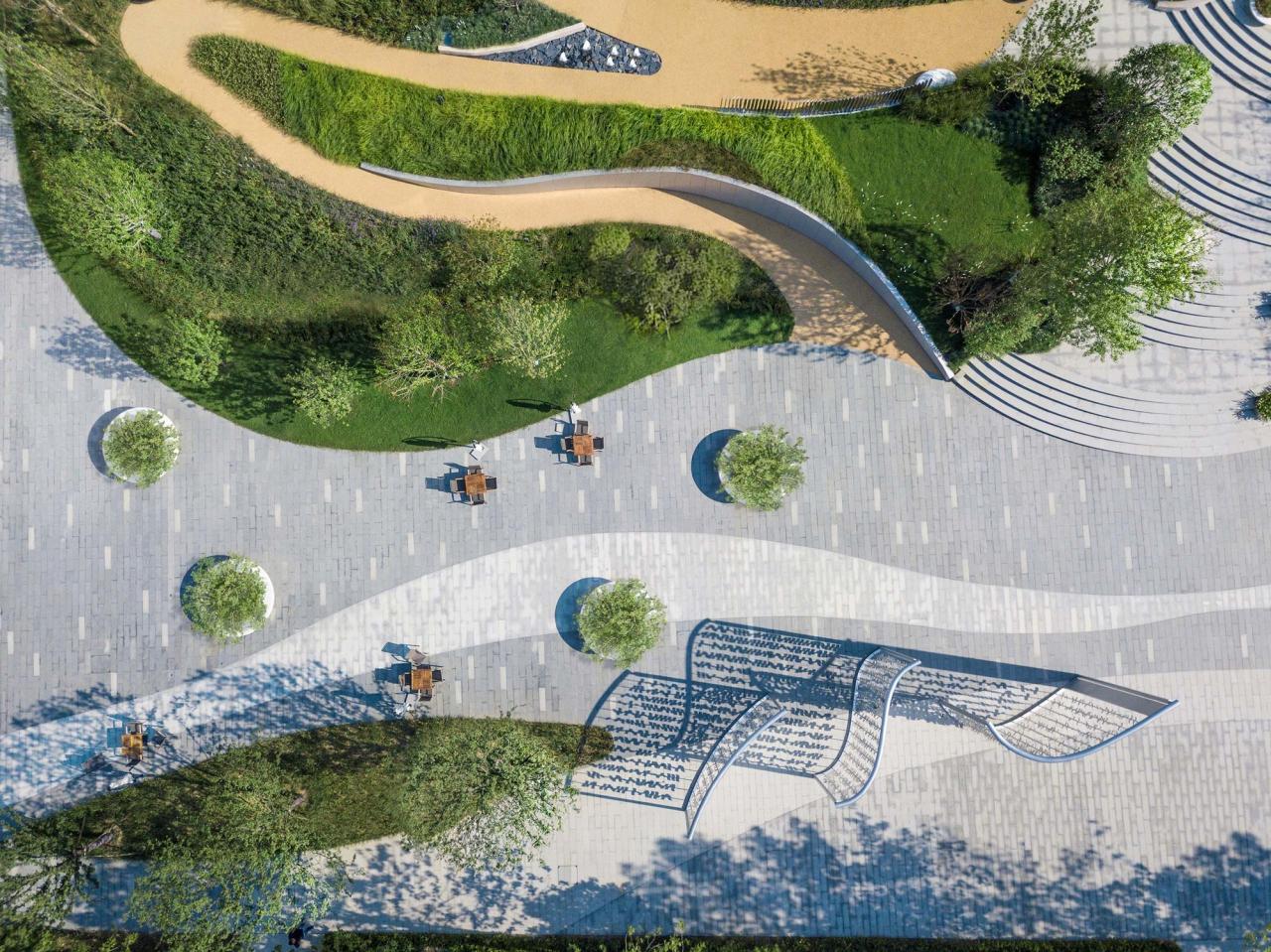
Site analysis, design development, planting plans, and sustainability considerations are essential components of landscape architecture projects. It is crucial to incorporate cultural, social, and ecological factors to create meaningful and impactful designs. Technology and innovation play a significant role in shaping modern landscape architecture projects.
Site Analysis
Site analysis involves studying the site's physical characteristics, such as topography, soil conditions, climate, and existing vegetation. This information helps designers understand the site's potential and constraints, enabling them to create designs that are sensitive to the environment.
Design Development
Design development is the process of translating ideas into concrete plans. It involves creating conceptual designs, refining them based on feedback, and developing detailed construction drawings. Design development ensures that the final design meets the client's objectives and functional requirements.
Planting Plans
Planting plans specify the types, quantities, and locations of plants to be used in the landscape design. They take into account factors such as aesthetics, maintenance requirements, and ecological considerations. Planting plans play a crucial role in enhancing the beauty and functionality of the landscape.
Sustainability Considerations
Sustainability considerations are essential in landscape architecture projects to minimize environmental impact and promote long-term resilience. Designers need to incorporate sustainable practices such as using native plants, reducing water consumption, and managing stormwater effectively. Sustainability ensures that the landscape remains healthy and vibrant for years to come.
Role of Technology and Innovation
Technology and innovation have revolutionized the field of landscape architecture, allowing designers to visualize designs in 3D, simulate environmental conditions, and use advanced construction techniques. Tools like Building Information Modeling (BIM) and Geographic Information Systems (GIS) help designers create more efficient and sustainable landscapes
Innovation drives creativity and enables designers to push the boundaries of traditional design practices.
Sustainable Practices in Landscape Architecture Projects
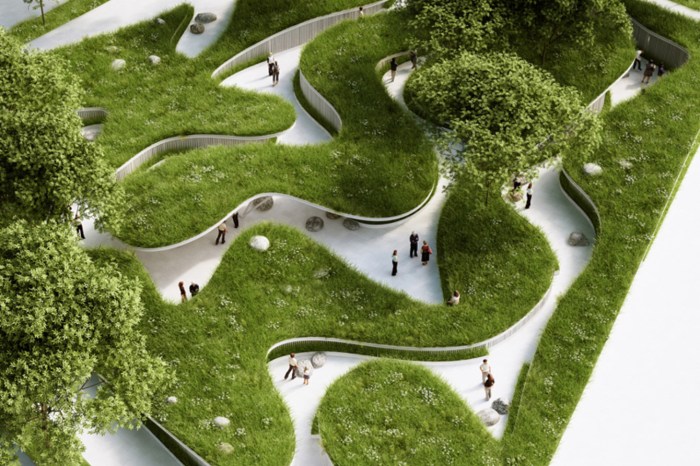
When it comes to landscape architecture projects, incorporating sustainable practices is essential for creating environmentally friendly and resilient outdoor spaces. By implementing sustainable design strategies, landscape architects can help minimize the negative impact on the environment while maximizing the benefits for both people and nature.
Use of Native Plants
One common sustainable design strategy in landscape architecture projects is the use of native plants. Native plants are well adapted to the local climate and soil conditions, requiring less water, fertilizer, and maintenance compared to non-native species. By choosing native plants, landscape architects can create landscapes that are not only beautiful but also support local biodiversity.
Rainwater Harvesting Systems
Another innovative sustainable solution often integrated into landscape architecture projects is the implementation of rainwater harvesting systems. These systems capture and store rainwater for irrigation purposes, reducing the reliance on potable water sources and minimizing runoff and erosion. By utilizing rainwater efficiently, landscape architects can create more self-sustaining landscapes.
Green Infrastructure
Integrating green infrastructure elements such as green roofs, permeable pavements, and bioswales is another sustainable practice commonly seen in landscape architecture projects. These features help manage stormwater, reduce heat island effects, improve air quality, and provide habitat for wildlife. By incorporating green infrastructure, landscape architects can enhance the environmental performance of outdoor spaces.
Case Studies of Remarkable Landscape Architecture Projects
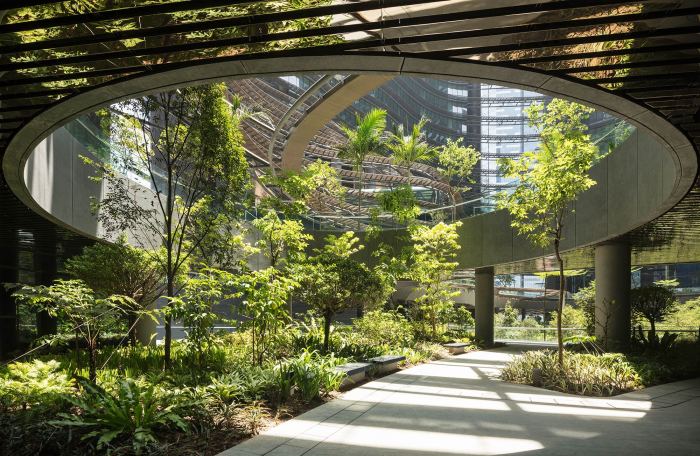
In this section, we will explore some notable landscape architecture projects from around the world, highlighting their design concepts, challenges faced, solutions implemented, and impact on their surroundings and communities.
The High Line, New York City
The High Line in New York City is a prime example of adaptive reuse in landscape architecture. This elevated railway was transformed into a linear park, combining green spaces, walking paths, and seating areas. The project faced challenges such as structural integrity, maintenance costs, and community engagement.
To address these challenges, the designers incorporated sustainable practices like using native plants, efficient irrigation systems, and recycled materials. The High Line has revitalized the surrounding neighborhood, attracting tourists and improving property values.
Singapore Gardens by the Bay
Gardens by the Bay in Singapore is a futuristic landscape architecture project that showcases sustainable design principles. The project features iconic structures like the Supertree Grove and Cloud Forest conservatories. Challenges faced during the construction included limited space, extreme weather conditions, and the integration of technology with nature.
Solutions implemented included vertical greening, rainwater harvesting, and energy-efficient lighting. The Gardens by the Bay has become a symbol of Singapore's commitment to environmental conservation and urban green spaces.
Bosco Verticale, Milan
Bosco Verticale, or Vertical Forest, in Milan is a pioneering project that incorporates greenery into high-rise buildings. The twin towers are covered with trees, shrubs, and plants, providing natural insulation, air purification, and biodiversity in an urban setting. The challenges included structural engineering, maintenance logistics, and plant selection.
Solutions involved advanced irrigation systems, wind-resistant plant species, and collaboration with botanists. Bosco Verticale has set a new standard for sustainable urban development, inspiring similar projects worldwide.
Ending Remarks
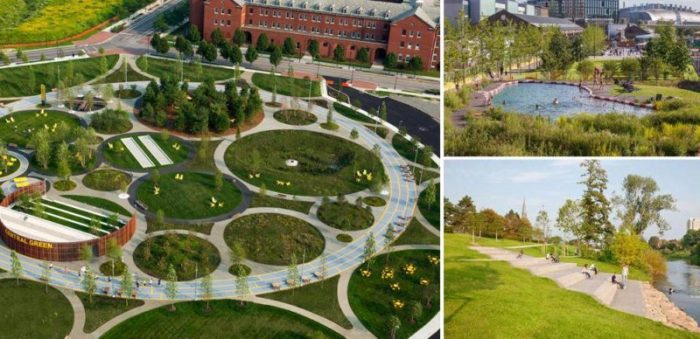
In conclusion, landscape architecture projects offer a blend of artistry and practicality, creating spaces that inspire and enhance our environment. By understanding the essential components and embracing sustainable practices, designers can leave a lasting impact on communities worldwide.
Questions and Answers
What are the key elements of successful landscape architecture projects?
Successful landscape architecture projects involve thorough site analysis, thoughtful design development, strategic planting plans, and a focus on sustainability.
How important is sustainability in landscape architecture projects?
Sustainability is crucial in landscape architecture projects as it ensures long-term benefits for the environment and communities, promoting responsible design practices.
What role does technology play in modern landscape architecture projects?
Technology plays a significant role in modern landscape architecture projects by enabling innovative design solutions, efficient project management, and sustainable practices.


Leave a Reply
- Trending
- Comments
- Latest