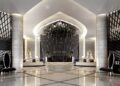
Embark on a journey through the world of lobby interior design, where every color, material, and furniture piece plays a crucial role in shaping the ambiance and functionality of commercial spaces.
Delve into the realm of creativity and practicality as we explore the essential components that transform a lobby into a welcoming and visually appealing area.
Introduction to Lobby Interior Design
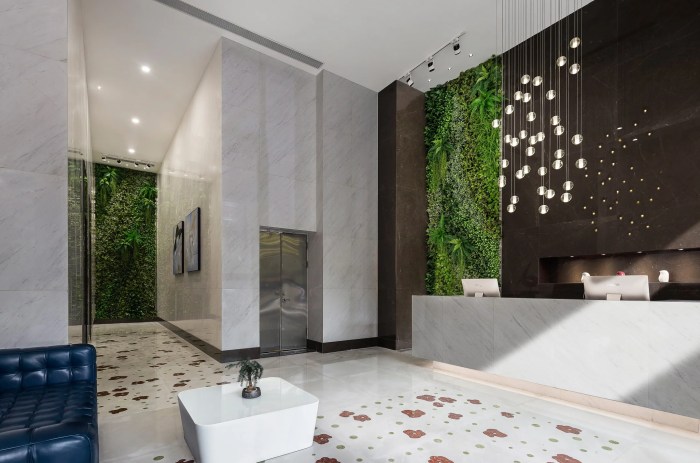
Lobby interior design refers to the art and science of enhancing the aesthetic appeal and functionality of the entrance or reception area in commercial spaces such as hotels, offices, and shopping centers.
The Importance of a Well-Designed Lobby
A well-designed lobby plays a crucial role in creating a positive first impression on visitors and guests. It sets the tone for the overall experience and reflects the brand image and values of the business.
Key Elements of Lobby Interior Design
- Layout and Space Planning: Efficient use of space to ensure smooth traffic flow and create a welcoming atmosphere.
- Lighting: Proper lighting design to enhance the ambiance and highlight key features in the lobby.
- Furniture and Decor: Selection of furniture, artwork, and decor elements that complement the design theme and provide comfort to guests.
- Color Scheme: Use of colors to evoke specific emotions and create a cohesive look throughout the lobby.
- Materials and Textures: Incorporation of high-quality materials and textures to add depth and visual interest to the space.
- Branding Elements: Integration of brand elements such as logos, colors, and signage to reinforce brand identity.
Color Schemes and Materials
When it comes to lobby interior design, color schemes and materials play a crucial role in setting the ambiance and creating a welcoming atmosphere for guests. Let's explore the popular color schemes and materials commonly used in lobby design.
Popular Color Schemes
In lobby interior design, neutral color schemes are often preferred for their timeless and elegant appeal. Colors like beige, grey, white, and taupe are commonly used to create a sense of calm and sophistication. However, bold and vibrant colors can also be incorporated to add a touch of personality and energy to the space.
Common Materials
Various materials are used in lobby design to enhance the aesthetics and functionality of the space. Marble is a popular choice for flooring and accents due to its luxurious look and durability. Wood is another versatile material often used for furniture, wall paneling, and flooring, adding warmth and texture to the lobby.
Glass is commonly used to create a sense of openness and lightness in modern lobby designs.
Impact on Ambiance
The choice of color schemes and materials can greatly impact the ambiance of a lobby. Neutral colors and natural materials create a sense of tranquility and sophistication, ideal for a formal or upscale setting. On the other hand, bold colors and sleek materials can infuse a sense of energy and modernity, perfect for a more vibrant and dynamic atmosphere in a lobby space.
Furniture and Layout
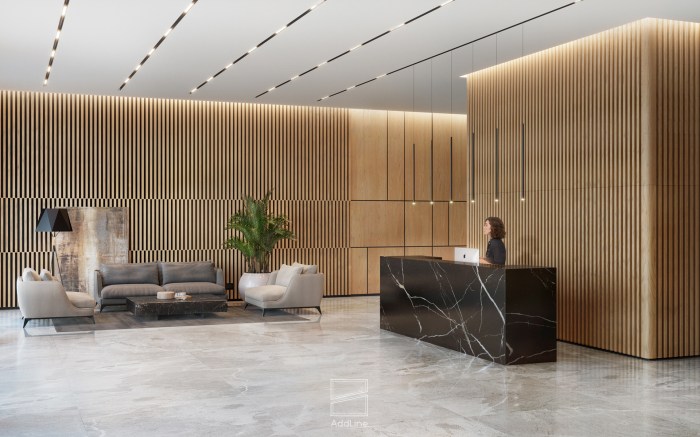
When it comes to lobby interior design, furniture and layout play a crucial role in setting the tone for the space. The right furniture pieces can enhance the functionality and aesthetic appeal of the lobby while creating a welcoming atmosphere for guests.
Types of Furniture in Lobbies
In lobby areas, you will typically find a mix of seating options such as sofas, armchairs, benches, and ottomans. These pieces are often complemented by coffee tables, side tables, and decorative elements like plants or artwork. Additionally, some lobbies may include reception desks, concierge stations, or information kiosks to assist guests upon arrival.
Enhancing Functionality and Aesthetic Appeal
To enhance the functionality and aesthetic appeal of a lobby, furniture arrangements should be carefully considered. For example, creating distinct seating areas with a mix of sofa groupings and individual chairs can provide guests with options for socializing or relaxation.
Placing side tables near seating areas allows for convenient placement of drinks or personal items. Incorporating decorative elements like rugs or lighting fixtures can also add visual interest and warmth to the space.
Importance of Furniture Selection
The selection of furniture in a lobby is crucial in creating a welcoming atmosphere for guests. Comfortable seating options can make guests feel at ease and encourage them to linger in the space. Additionally, choosing furniture pieces that reflect the overall design aesthetic of the property can help reinforce the brand identity and create a cohesive look throughout the lobby area.
Lighting Design
Lighting plays a crucial role in lobby interior design as it can enhance the overall atmosphere, highlight key features, and create a welcoming ambiance for guests. Proper lighting design can significantly impact the mood and perception of space in a lobby.
Significance of Lighting in Lobby Interiors
- Ambient lighting: This general lighting source provides overall illumination in the lobby, creating a warm and inviting atmosphere for guests.
- Accent lighting: Used to highlight specific architectural features, artworks, or focal points in the lobby, accent lighting adds visual interest and drama to the space.
- Task lighting: Functional lighting such as desk lamps or wall-mounted fixtures that provide focused illumination for tasks like reading or working in designated areas of the lobby.
Influence of Lighting on Mood and Perception
Lighting can greatly influence the mood and perception of space in a lobby. Soft, warm lighting can create a cozy and intimate setting, while bright, cool lighting can make the space feel more open and spacious. By adjusting the intensity, color temperature, and placement of lights, designers can control the ambiance and visual impact of the lobby environment.
Technology Integration
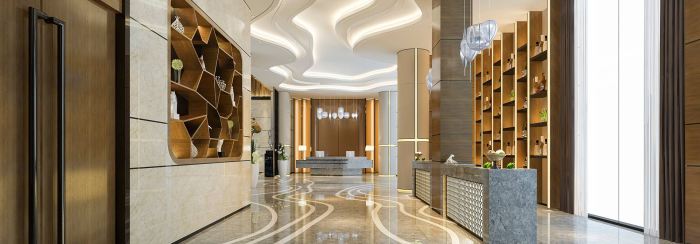
In modern lobby interior design, technology plays a crucial role in enhancing the overall visitor experience. By seamlessly integrating digital displays, smart systems, and interactive elements, designers can create a more engaging and dynamic space for guests. However, this integration also presents its own set of challenges and benefits.
Digital Displays
Digital displays are commonly used in lobbies to provide information, showcase branding, or offer entertainment to visitors. These displays can range from large video walls to interactive touchscreens, allowing for dynamic content delivery and customization based on the time of day or specific events.
Smart Systems
Smart systems, such as automated lighting, temperature control, and security features, are essential in creating a seamless and efficient lobby environment. These systems not only enhance the overall functionality of the space but also contribute to energy savings and sustainability efforts.
Interactive Elements
Interactive elements like interactive kiosks, virtual reality experiences, or augmented reality installations can further engage visitors and create memorable experiences. These elements encourage interaction and participation, making the lobby space more immersive and personalized for each guest.
Challenges and Benefits
Integrating technology into lobby design comes with both challenges and benefits. While technology can enhance the visitor experience and improve operational efficiency, it also requires careful planning, maintenance, and updates to ensure seamless functionality. Additionally, privacy and security concerns must be addressed when implementing smart systems and interactive elements in public spaces.
Ultimate Conclusion
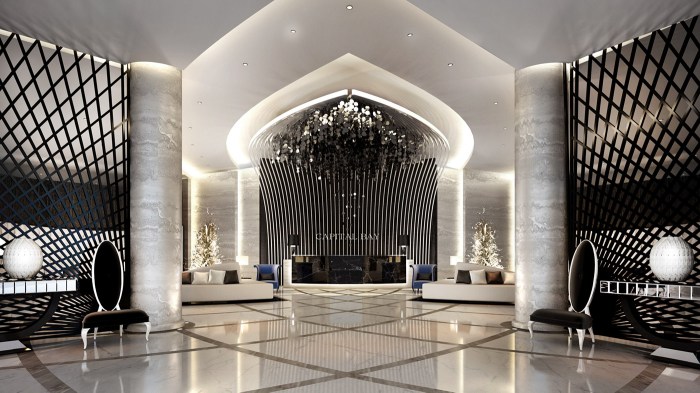
In conclusion, lobby interior design is a fine balance between aesthetics and functionality, where every detail matters in creating a lasting impression on visitors. By carefully considering color schemes, materials, furniture, lighting, and technology integration, a lobby can truly become the heart of any commercial establishment.
FAQs
What is the significance of a well-designed lobby in commercial spaces?
A well-designed lobby sets the tone for visitors, creating a positive first impression and reflecting the brand identity of the establishment.
How do color schemes and materials impact the ambiance of a lobby?
Color schemes and materials influence the mood and style of a lobby, with choices like warm tones and luxurious materials creating a welcoming atmosphere.
What role does lighting play in lobby interiors?
Lighting is crucial in setting the mood and enhancing the overall design of a lobby, with different techniques used to create a dynamic and inviting space.
How can technology be integrated into modern lobby designs?
Technology can be incorporated through digital displays, smart systems, and interactive elements to enhance the visitor experience and provide a modern touch to the lobby design.
Why is furniture selection important in lobby interior design?
The right furniture enhances functionality, comfort, and aesthetics in a lobby, contributing to a welcoming environment and ensuring visitor satisfaction.


Leave a Reply
- Trending
- Comments
- Latest