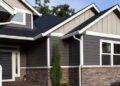
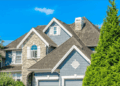
Types of home exteriors introduce a diverse range of materials and design styles that shape the look and feel of houses. From traditional brick to modern vinyl, each material offers unique characteristics that influence the overall aesthetic of a home.
Let's delve into the world of home exteriors to uncover the beauty and functionality behind these essential elements.
As we explore the various types of home exteriors, we will discover the impact of different materials, design styles, finishes, and textures on the appearance and sustainability of residential properties.
Types of Home Exteriors
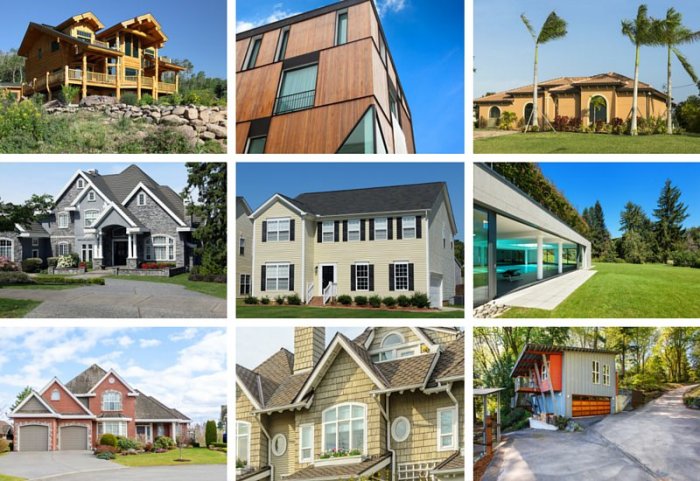
When it comes to choosing materials for your home's exterior, there are several options available, each with its own unique characteristics and benefits. Let's explore some of the most popular choices:
Brick
Brick is a classic choice for home exteriors, known for its durability and timeless appeal. It offers excellent insulation properties, is fire-resistant, and requires minimal maintenance. However, brick can be expensive to install and repair, and the color options are limited.
Wood
Wood siding gives a warm and natural look to a home, perfect for traditional or rustic styles. It is versatile, easy to customize, and environmentally friendly. On the downside, wood requires regular maintenance to prevent rot, pests, and weather damage.
Vinyl
Vinyl siding is a popular choice for its affordability, low maintenance, and wide range of colors and styles. It is resistant to rot, fading, and insect damage. However, vinyl can crack or become brittle over time, and it may not offer the same level of insulation as other materials.
Stucco
Stucco is a durable and versatile material that can be applied to various architectural styles. It is fire-resistant, long-lasting, and low maintenance. However, stucco can crack over time, especially in areas with extreme temperature changes, and repairs can be costly.
Home Exterior Design Styles
When it comes to designing the exterior of a home, there are several popular design styles that homeowners can choose from to create a unique and appealing look. Different architectural styles, landscaping choices, and exterior colors all play a crucial role in shaping the overall aesthetic of a house.
Modern
Modern home exteriors are characterized by clean lines, minimalistic design, and a focus on simplicity. Large windows, flat roofs, and a mix of materials like wood, metal, and concrete are common features of modern homes. A neutral color palette with pops of bold colors can enhance the sleek and contemporary look of a modern exterior.
Traditional
Traditional home exteriors often feature classic elements like steep roofs, symmetrical facades, and decorative details such as columns and shutters. These homes typically have a warm and inviting feel, with traditional materials like brick, stone, and wood used to create a timeless look.
Neutral colors like beige, cream, and brown are commonly found on traditional exteriors.
Farmhouse
Farmhouse-style exteriors are inspired by rural homes and barns, with a focus on rustic charm and simplicity. These homes often have gabled roofs, wrap-around porches, and board-and-batten siding. White is a popular color choice for farmhouse exteriors, along with natural wood accents and metal fixtures for a cozy and inviting look.
Colonial
Colonial home exteriors are influenced by the architectural styles of early American settlers, with features like symmetrical facades, columns, and brick or siding exteriors. These homes often have a formal and elegant appearance, with classic colors like white, gray, and navy blue used to enhance their timeless appeal.
Landscaping with manicured gardens and hedges can further elevate the colonial look of these homes.
Exterior Finishes and Textures
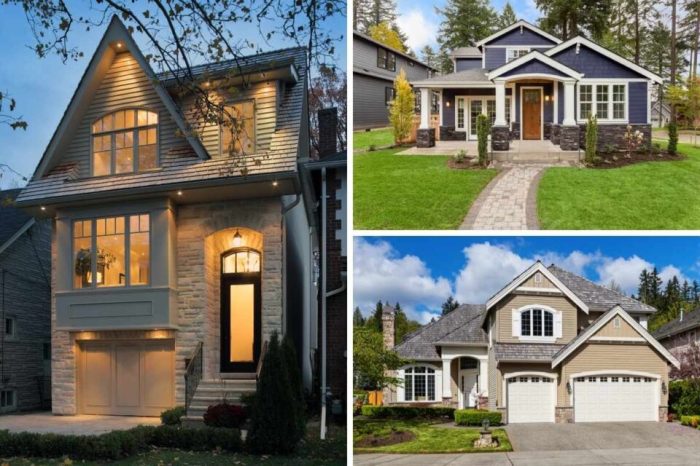
When it comes to home exteriors, the finishes and textures play a crucial role in enhancing the overall look and feel of a house. Different finishes can completely transform the aesthetic appeal of a home, making it stand out in the neighborhood.
It is essential to choose the right finish based on the architectural style of the house to create a harmonious and visually pleasing exterior.
Smooth Finish
A smooth finish is a classic choice for home exteriors, offering a sleek and modern look. This type of finish is often associated with contemporary and minimalist architectural styles. It provides a clean and sophisticated appearance, perfect for those looking for a simple yet elegant exterior design.
Rough Texture
A rough texture adds depth and character to a home's exterior. This finish can create a rustic or traditional look, making the house feel warm and inviting. Rough textures are commonly used in cottage-style or farmhouse exteriors, adding a touch of charm and coziness to the overall design.
Textured or Stucco Finish
A textured or stucco finish can add visual interest and uniqueness to a home's exterior. This finish is achieved by applying a textured coating that can mimic the look of stone or brick. Textured finishes are versatile and can complement a variety of architectural styles, from Mediterranean to Tudor-inspired homes.
Glossy Finish
A glossy finish can give a modern and luxurious feel to a home's exterior. This type of finish reflects light, creating a shiny and polished appearance. Glossy finishes are often used in contemporary or high-end architectural styles, adding a touch of sophistication and glamour to the overall design.
Sustainable Exterior Options
When it comes to choosing materials for your home exterior, opting for sustainable options can benefit both the environment and homeowners. By using eco-friendly materials like recycled wood, composite siding, or metal panels, you can reduce your carbon footprint and lower energy costs.
Benefits of Sustainable Materials
Using sustainable materials for your home exterior not only helps protect the environment by reducing waste and energy consumption but also offers benefits to homeowners. Sustainable materials are often durable, low maintenance, and can improve the energy efficiency of your home, leading to long-term cost savings.
Creating a Sustainable and Energy-Efficient Home Exterior
- Choose materials with high recycled content to reduce the demand for new resources.
- Opt for energy-efficient windows and doors to improve insulation and reduce heating and cooling costs.
- Consider using cool roofs or green roofs to minimize heat absorption and lower energy usage.
- Implement proper insulation and air sealing techniques to prevent energy loss.
- Explore renewable energy options like solar panels to further reduce your home's carbon footprint.
Wrap-Up
In conclusion, the diverse array of home exterior options allows homeowners to express their personal style while considering practicality and environmental impact. By understanding the nuances of different materials and design choices, individuals can create a home that not only looks beautiful but also stands the test of time.
Helpful Answers
What are the benefits of using stucco as a home exterior material?
Stucco offers excellent durability, fire resistance, and minimal maintenance requirements, making it a popular choice for many homeowners.
How does landscaping affect the overall look of a home's exterior?
Landscaping plays a crucial role in enhancing the curb appeal of a home by complementing its architectural style and providing visual interest.
What are some sustainable exterior options that homeowners can consider?
Recycled wood, composite siding, and metal panels are eco-friendly choices that promote sustainability and energy efficiency in home construction.


Leave a Reply
- Trending
- Comments
- Latest